
Wartenberg Wheel: What It Is, How to Use One, and Why It Feels So Good
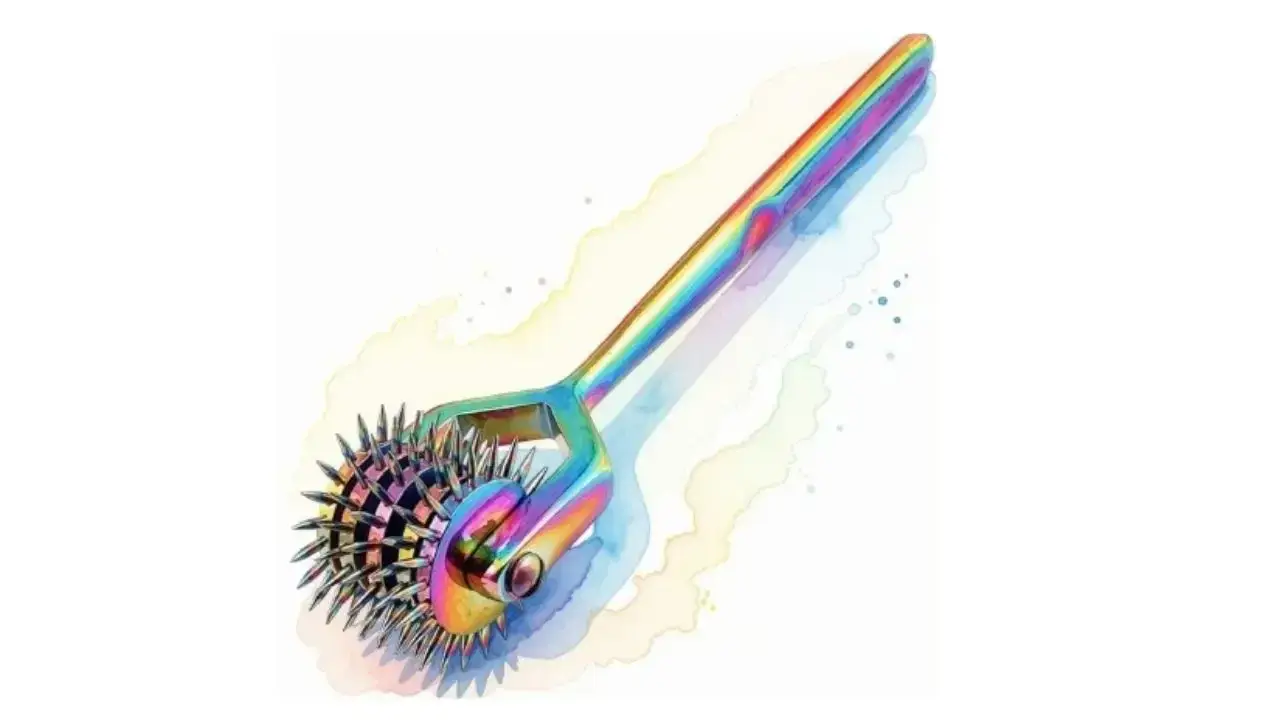
A Wartenberg wheel is a small handheld pinwheel: a stainless steel handle with a rotating head of evenly spaced, sharp-looking points. Neurologists designed it to test nerve sensation. In the bedroom, people roll it slowly across the skin to create a precise, prickly, tingling sensation that ranges from a feather-light shiver to something sharp and insistent, depending entirely on pressure and speed. It's one of the most popular sensation play tools there is, and one of the easiest to start with.
It looks a little intimidating. That's part of the appeal. Most people who pick one up for the first time expect it to hurt, and are surprised by how delicate the sensation actually is.
Where the Wartenberg Wheel Came From
The wheel is named for Robert Wartenberg, a 20th-century neurologist who used it in clinical exams. Rolling the pins across a patient's skin let a doctor map where sensation was normal, dulled, or missing, which made it a fast way to check nerve function.
That origin is a big part of why the wheel crossed over so naturally into kink. It's a real medical instrument with a clinical look, and it was built for one job: making the nervous system pay close attention to a very specific point of contact. That's exactly what sensation play asks of the body, too.
What Does a Wartenberg Wheel Feel Like?
It depends almost entirely on how it's used, which is what makes it so versatile.
- Light pressure, slow pace: a fine, fizzy tingle, almost like goosebumps that follow the wheel's path. Many people find this more ticklish than painful.
- Light pressure, quicker pace: a trailing shiver that the skin seems to keep feeling for a moment after the wheel has moved on.
- Firmer pressure: a sharper, more insistent prickle. This is where it starts to read as edgy, and where some people find it intensely arousing.
- Sensitive areas: the inner arms, inner thighs, sides of the ribs, back of the neck, and the soles of the feet all respond very differently than the back or shoulders. The same stroke can feel completely different two inches away.
The points don't break the skin when the wheel is used with normal, light pressure. They leave a faint line of tiny red dots on some skin that fades quickly. That reaction is normal and is not a sign of injury.
Is a Wartenberg wheel painful?
Usually not, at the pressure most people use. For most people it lands somewhere between ticklish and prickly. It can become painful with heavy pressure, which is why the person rolling it should start lighter than they think they need to and let the receiver ask for more.
Why does it feel so intense?
Because each point delivers a tiny, separate signal, and dozens of them arrive in a rhythm. The skin is very good at noticing sharp, precise contact, and the brain tends to pay much closer attention to it than to a broad, flat touch like a palm. That focused attention is what makes the sensation feel bigger than it is.
Where the Wheel Fits: Sensation Play and Medical Play
The Wartenberg wheel lives comfortably in two worlds.
In sensation play, it's simply a tool for noticing. It pairs beautifully with a blindfold, with soft textures like a feather or silk for contrast, and with temperature play. A cool wheel straight from the fridge (never the freezer) adds another layer.
In medical play, it's part of the costume and the script. The wheel looks like it belongs on a tray next to gloves and a clipboard, which makes it a natural prop for an "examination" scene. If doctor and patient roleplay is the draw, our guide to playing doctor covers how to set that kind of scene up.
You don't need to identify with either label to enjoy one. Plenty of couples keep a wheel in the nightstand simply because it makes foreplay slower and more interesting.
The Adventure Card Quiz
What kind of patient are you?
Seven questions, about a minute. Find your type and get a free Adventure Card: a printable medical play scene written just for it, with intake and consent built in.
How to Use a Wartenberg Wheel on a Partner
- Talk first. Agree on which areas are in and out, and choose a word or signal that means "lighter," and another that means "stop." Read our piece on consent if you want a fuller framework.
- Test it on yourself. Roll it across your own forearm at a few different pressures before you use it on anyone else. This gives the person holding the wheel a real feel for what the receiver is about to experience.
- Start on less sensitive skin. The back, shoulders, and outer arms are good places to begin. Let the receiver get used to the sensation before moving anywhere more sensitive.
- Let the handle do the work. Hold it loosely and let the wheel's own weight provide most of the pressure. Roll in one direction rather than sawing back and forth in the same spot.
- Vary the rhythm. Long strokes, short strokes, pauses, curves, spirals. Unpredictability keeps the nervous system paying attention.
- Add contrast. Follow the wheel with a fingertip, a feather, or a breath. The gap between sharp and soft is where a lot of the pleasure lives.
- Check in often. A simple "more, less, or same?" is all the conversation it needs.
- Close with care. A few minutes of warmth, water, and closeness afterward. Aftercare matters even when a scene feels light.
Can you use a Wartenberg wheel on yourself?
Yes. It's a good way to learn what you like before you bring it to a partner, and it's easy to control your own pressure. Thighs, forearms, and the stomach are easy to reach.
Can you use one on nipples or genitals?
Some people do, with very light pressure and a lot of checking in. These areas are far more sensitive than the back or arms, so treat them as somewhere you work up to, not somewhere you start. Our nipple play guide covers sensitivity and pacing in more detail.
Types of Wartenberg Wheels
Single-wheel stainless steel. The classic, and the right first wheel for almost everyone. Stainless steel is durable, body-safe, and easy to clean thoroughly.
Multi-wheel. Three, five, or more heads lined up side by side. Pressure is spread across more points, so the sensation reads as a wide, rolling buzz instead of a single sharp line. Many people find these gentler, not more intense.
Plastic and disposable wheels. These are lighter and less expensive, and some clinics use them as single-use tools. They're fine for trying the sensation, but they don't hold up as well, and some plastics are harder to clean completely.
Electro wheels. These are conductive wheels designed to connect to an electrostimulation unit, so the wheel delivers a tingle of current along with the pins. They are a more advanced tool, and they should only ever be used with equipment built for erotic electrostimulation. Never run current across the chest, neck, or head, and skip electro play entirely if you have a pacemaker or other implanted device, a heart condition, or epilepsy, or if you're pregnant.
Safety and Cleaning
A Wartenberg wheel is one of the lower-risk tools in sensation play, but it does have points, and points deserve respect.
- Intact skin only. Never roll a wheel over cuts, scrapes, rashes, sunburn, fresh tattoos, or irritated skin.
- Stay away from the face. Keep it well away from the eyes. Most people leave the face out entirely.
- Go lighter over bone. Shins, collarbones, and the spine have very little cushion, and pressure there lands harder than you'd expect.
- Be careful with reduced sensation. If someone has numbness or neuropathy (for example from diabetes) or bruises easily (for example from blood thinners), they may not feel when pressure is too much. Use extra-light pressure, or talk to a doctor first.
- Don't share without cleaning. Treat a wheel like a personal tool. Clean it between partners every time.
- Clean before and after every use. Wash the wheel with warm water and mild soap, using a soft brush to get between the pins. Then wipe it down with 70% isopropyl alcohol and let it air-dry completely. Our guide to cleaning sex toys by material covers stainless steel in more detail.
- Store it covered. A pouch or case protects the pins from bending and protects everything else in your drawer from the pins.
Frequently Asked Questions
What is a Wartenberg wheel used for?
Originally, neurologists used it to test nerve sensation. Today it's widely used in sensation play and medical play to create a precise, tingling, prickly sensation on the skin.
Is a Wartenberg wheel a sex toy?
It started as a medical instrument, but it's now just as common in the bedroom as it is in a clinic. Adult boutiques carry wheels made specifically for play.
Does a Wartenberg wheel break the skin?
Not with the light pressure most people use. Heavy pressure can scratch or break the skin, which is why you should start light, roll in one direction, and only use a wheel on intact skin.
Is a Wartenberg wheel good for beginners?
Yes. It's one of the most beginner-friendly sensation tools because the intensity is entirely controlled by how hard you press. It also needs no batteries, no setup, and very little practice.
What's the difference between a Wartenberg wheel and a pinwheel?
Nothing. "Pinwheel," "neuro wheel," and "Wartenberg wheel" all refer to the same tool.
Come Hold One in Person
The Wartenberg wheel is one of our steadiest sellers in the sensation play category, and it's easy to see why. It's simple, it's affordable, and it does something no other tool quite does.
We carry stainless steel wheels from the Master Series line, and because this is a tool you really want to feel the weight of before you buy, we keep it as an in-store experience. Come see us at 175 Highway 80 East in Pearl, roll one across your own forearm, and we'll happily talk you through single versus multi-wheel and what pairs well with it. No expertise required, no judgment, just a good conversation with people who enjoy talking about this.
Not ready for that yet? Sign up below and we'll keep sending the good information. One whispered secret at a time.
Explore further:
- What Is Sensation Play? A Beginner's Guide to Learning to Listen
- What Is Medical Play? A Wellness-Focused Guide to Medical Fetish & Roleplay
- What Are the Most Common Medical Fetish Kinks?
- Playing Doctor and Why It's So Much Fun
- Warm and Cool: A Beginner's Guide to Temperature Play
- What Is Masochism? Understanding Pain, Pleasure, and Consent
- Safety: The Through-Line of Everything
Want to take sensation further? Rope is one of the most intimate forms of sensation play, and one of the most misunderstood. Know Your Ropes is a complete beginner's guide to Shibari that teaches you the knots, the communication, and the care that make it something truly special. Start learning →