
What Is Impact Play? Sensation, Control, and Building Intensity
What Is Impact Play? Impact play is a form of BDSM sensation play that involves consensual striking — spanking, flogging, paddling, or caning — used to create intense physical sensation, build anticipation, and explore power exchange between partners.
Impact play is exactly what it sounds like: striking, spanking, flogging, paddling — using impact as a form of sensation and power exchange. It's one of the most primal forms of bondage and dominance play, and it's also one of the most misunderstood. People assume it's about pain. It's not, really. It's about sensation, control, and the particular kind of vulnerability that comes from surrendering to impact from someone you trust.
Why impact appeals to people.
There's something about impact that other forms of play don't quite touch. A strike creates an immediate, intense sensation that floods the nervous system. Your brain releases endorphins. Your body goes into a particular kind of focus where everything else falls away. For the person delivering impact, there's a different kind of control — precision, rhythm, reading your partner's responses in real time. It's intimate in a way that might surprise you. If you're new to this territory more broadly, our guide to Sensation Play is a good place to see how impact fits into the wider world of intentional touch.
Impact also creates visible marks. Some people are drawn to that visual component — the marks as evidence of what happened, what was surrendered to. Others are drawn to the psychological component: the anticipation before a strike, the sound, the surprise of not knowing exactly when the next one comes. If you want the visual framing to match the intensity, bondage-inspired lingerie sets the tone before the first strike even lands.
The sensation isn't what you think it is.
If you've never experienced impact, you might assume it hurts. Sometimes it does. But more often, especially when it's done well, it creates a sensation that's hard to describe — a kind of burning, a sting, a warmth that builds. Your nerve endings light up. Endorphins kick in. What starts as sensation can become almost meditative. If it's the surrender itself that draws you more than the sensation, our guide to What Is Masochism? digs into that psychological side.
The tricky part: your tolerance and your actual sensations change depending on where you are in your cycle, how hydrated you are, how much sleep you got, your stress levels. The same impact that felt amazing last week might feel too intense this week. This is why communication during impact play isn't optional — it's essential. Which is why you'll want to reread our guide to Consent: The Foundation of Exploration before you start.
Safety first: where you can and can't strike.
Never strike the head, neck, spine, or kidneys. These areas have vital structures close to the surface. A strike in the wrong place can cause serious internal injury. Safe zones: buttocks, thighs, breasts, shoulders, and the upper back (nowhere near the spine). Even in safe zones, you need to know what you're doing.
Impact leaves marks. Some fade in hours. Some last for days. If you have a job where visible marks are a problem, factor that into your play. If you're taking someone to work on Monday with bruises, you need to have had that conversation beforehand.
The tools matter.
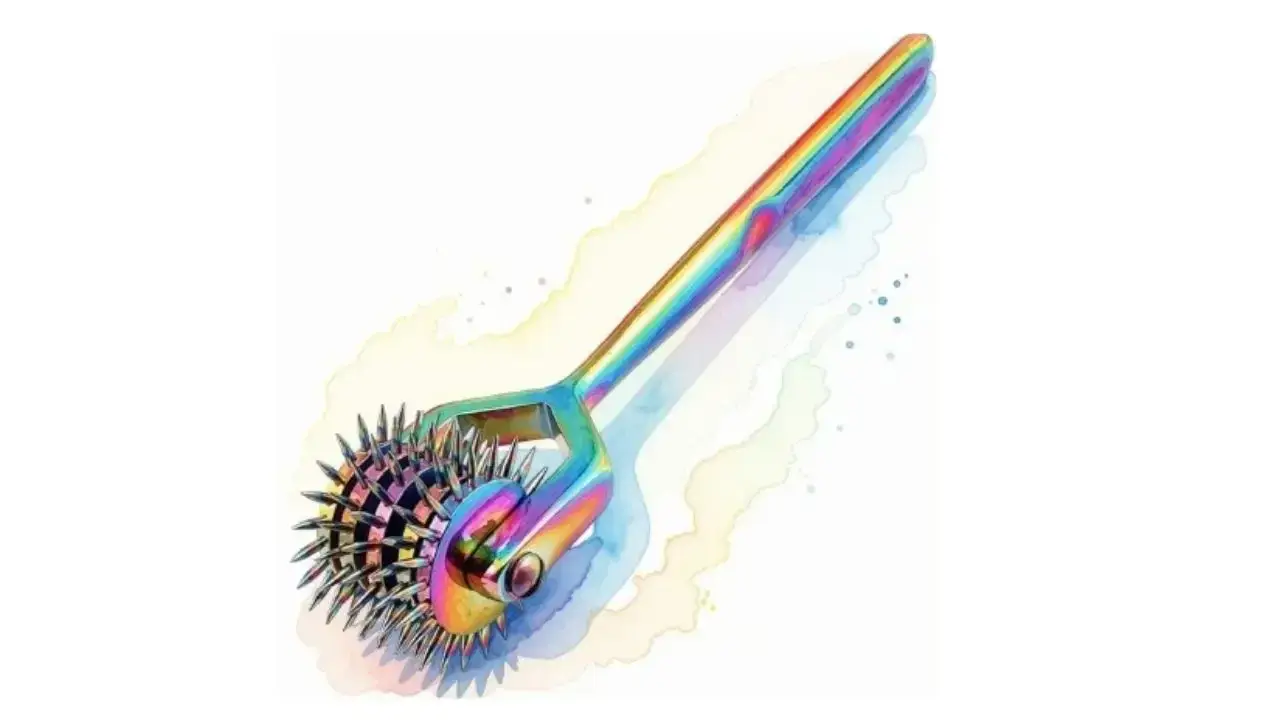
Impact play requires tools. Your hand works, but it's limited in what it can deliver and how much control you have. Here's what people actually use:
Paddles are good for beginners — they distribute impact over a larger area, which means less intense sensation per square inch. They're also quieter than some other tools.
Floggers create a different kind of sensation — multiple tails hitting at once, which can feel more like a wave than a sharp strike. They require more skill to use well, but they're forgiving in some ways.
Crops and canes are more precise — they concentrate impact in a smaller area, which means more intense sensation. They require skill. A badly swung crop can cause welts or bruising that wasn't intended.
We carry a range of impact tools at the store — paddles, floggers, and other implements designed specifically for this kind of play. Quality matters. A cheap paddle can splinter. A flogger made from the wrong material can actually cut skin.
Start light. Build from there.
Your first impact play doesn't need to be intense. Light spanking, light paddling — let your partner feel what the sensation is actually like before you escalate. Pay attention to their responses: breathing, muscle tension, whether they're asking for more or pulling back.
The person receiving impact should be able to communicate: "That's good, I want more," or "That's too much, back off." Which brings us back to safewords and safety signals — if you haven't read our guide to Consent: The Foundation of Exploration, do that first. You need those tools in place before you start.
The person delivering impact needs to stay present. You're reading your partner's body, feeling the rhythm, adjusting based on what you're seeing and hearing. This isn't something you can phone in.
The marks are information.
After impact play, look at what you created. Marks tell you what happened: where the impact landed, how intense it was, whether there are any surprises (a mark in a place you didn't intend usually means your technique needs adjustment). If marks are showing up in places they shouldn't, or if your partner reports pain that doesn't match what you intended, that's information you need.
Some people love the marks. Some people need them to fade before they can integrate the experience. Both are okay. The point is you know what to expect.
The point.
Impact play is about control, sensation, and the particular intimacy of one person's vulnerability meeting another person's precision and care. It's primal. It's intense. It's also something you can do safely if you know what you're doing, respect your partner's body, and have clear communication in place.
If impact is calling to you, honor that. Learn proper technique. Get tools that are actually designed for this. And create the kind of scene where both of you can be fully present instead of worrying about what might go wrong. If you still have concerns, though, see our complete BDSM Guide.
Related reading: